Understanding How to obfuscate wallet balance in the YoMix Ecosystem
Master how to obfuscate wallet balance safely and protect your crypto privacy in the YoMix ecosystem with these essential guidelines.
Oct 20, 2026 · 5 min
Blog · Oct 21, 2026 · 7 min read
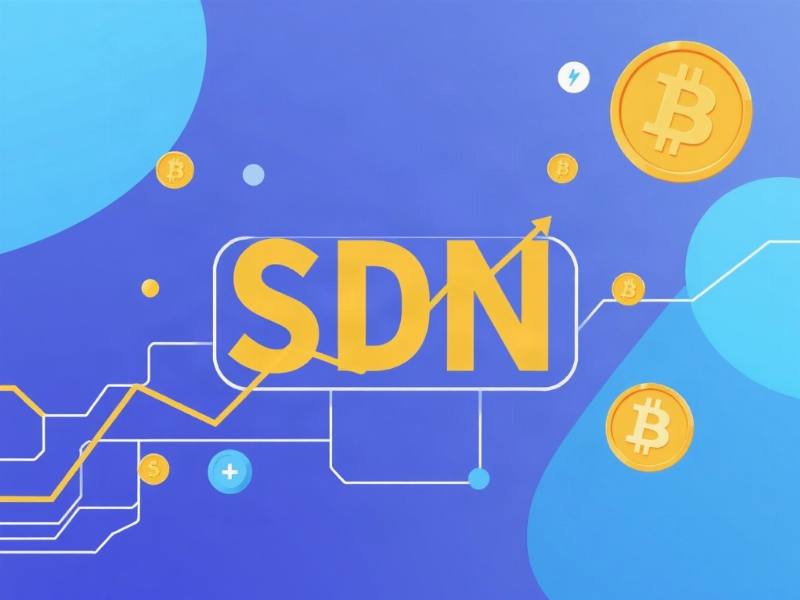
The Specially Designated Nationals and Blocked Persons List, commonly known as the SDN list, is a curated registry maintained by the U.S. Office of Foreign Assets Control (OFAC). It identifies individuals, entities, and networks subject to comprehensive sanctions. When a crypto address appears on this registry, it signifies that the address is owned or controlled by a sanctioned party, and any transaction involving that address may trigger legal obligations for financial institutions, exchanges, and crypto service providers. The sanctioned crypto addresses SDN list is updated regularly to reflect new designations, revocations, and changes in sanctions policy, making vigilance essential for all participants in the digital asset ecosystem.
OFAC employs advanced blockchain analytics, cooperation from major exchanges, and open-source intelligence to identify and add sanctioned crypto addresses SDN list entries. These addresses are often linked to mixers, tumblers, or direct transfers to wallets controlled by designated persons. Once an address is flagged, it becomes subject to blocking requirements: U.S. persons must prevent any transaction involving the address, and non-U.S. entities may face secondary sanctions or reputational risk if they facilitate such movements. Understanding the mechanics of this tracking system is the first step toward building a compliant operation.
Anti-Money Laundering (AML) and Know Your Customer (KYC) protocols are the frontline defense against inadvertent engagement with the sanctioned crypto addresses SDN list. For Bitcoin mixers and exchanges, this means embedding real-time screening APIs into onboarding processes, deposit and withdrawal workflows, and internal transaction monitoring systems. When a user’s address—or the counterparty’s address—matches an SDN entry, the platform must freeze funds, file a Suspicious Activity Report (SAR), and refrain from processing the transaction until clearance is obtained from compliance officers or legal counsel.
Compliance teams should watch for patterns that suggest exposure to the sanctioned crypto addresses SDN list. These include sudden large-volume deposits from unknown wallets, frequent interactions with known mixing services, structuring transactions just below reporting thresholds, and the use of privacy-focused protocols without proper justification. Additionally, addresses that have previously received funds from other SDN-listed entities or that route assets through jurisdictions with weak regulatory oversight should trigger enhanced due diligence.
Modern compliance relies heavily on specialized blockchain analytics platforms that flag addresses appearing on the sanctioned crypto addresses SDN list in real time. Tools such as Chainalysis Reactor, CipherTrace, and Elliptic provide visual dashboards, historical transaction paths, and risk scores that help compliance officers make informed decisions. These platforms aggregate data from multiple sources, including OFAC filings, law enforcement alerts, and community-reported addresses, ensuring that the screening process remains current and comprehensive.
The dynamic nature of the sanctioned crypto addresses SDN list demands automated alert mechanisms. Instead of manually checking static lists, compliance teams can configure webhooks and API-driven notifications that trigger whenever an address is added, removed, or modified on the SDN registry. Integrating these alerts with internal ticketing systems ensures that compliance officers receive immediate context, including the reason for the designation, associated entities, and recommended next steps, reducing the window of exposure to sanctions violations.
Engaging with a wallet or address on the sanctioned crypto addresses SDN list without proper authorization can result in severe penalties. Civil fines may reach hundreds of thousands—or even millions—of dollars per violation, depending on the nature and duration of the non-compliant activity. Criminal charges, particularly willful blindness or deliberate facilitation, can lead to imprisonment and additional monetary penalties. The severity of the outcome often hinges on whether the entity had established compliance mechanisms, conducted due diligence, and reported suspicious activity promptly.
Recent OFAC enforcement actions have highlighted the risks of inadequate screening. In one notable case, a centralized exchange was fined $600,000 for failing to prevent deposits from addresses later added to the sanctioned crypto addresses SDN list. In another, a decentralized mixer faced litigation for facilitating transfers to designated wallets, resulting in the freezing of associated liquidity pools. These cases underscore the importance of proactive screening, regular list updates, and a culture of compliance that prioritizes risk mitigation over transaction volume.
A comprehensive compliance policy should explicitly address the sanctioned crypto addresses SDN list as a core component of the organization’s AML framework. This policy must outline screening procedures, escalation paths, record-keeping requirements, and periodic review schedules. By documenting these protocols, companies create a clear audit trail that demonstrates due diligence to regulators, investors, and partners, while also empowering employees to recognize and respond to potential sanctions risks swiftly.
Compliance is only as effective as the people executing it. Regular training sessions should educate staff on the implications of the sanctioned crypto addresses SDN list, how to use screening tools, and the proper procedures for flagging and reporting suspicious activity. Additionally, firms should establish a routine—ideally monthly or quarterly—to review OFAC updates, incorporate new SDN entries into their systems, and retire obsolete entries. This continuous improvement loop ensures that the organization stays ahead of evolving sanctions landscapes and maintains operational integrity.
The intersection of digital assets and international sanctions is complex, but manageable with the right knowledge, tools, and policies. The sanctioned crypto addresses SDN list serves as a critical checkpoint for anyone operating Bitcoin mixers, exchanges, or related services. By understanding how the list is constructed, integrating robust screening technologies, and fostering a culture of compliance, industry participants can protect their platforms from legal repercussions while contributing to a safer, more transparent cryptocurrency ecosystem. As sanctions regimes evolve and blockchain analytics grow more sophisticated, staying informed and adaptable will remain the cornerstone of sustainable success in this regulated frontier.
Key Takeaways
Master how to obfuscate wallet balance safely and protect your crypto privacy in the YoMix ecosystem with these essential guidelines.
Oct 20, 2026 · 5 min
Understand travel rule threshold requirements for YoMix. Our guide covers compliance, reporting, and risk management to keep your transactions safe.
Oct 21, 2026 · 7 min
Discover how untraceable altcoin payment technology evolves, offering privacy through advanced mixers like BTCEX in the crypto landscape.
Oct 20, 2026 · 7 min
Explore the FATF virtual asset guidance and its impact on YoMix and global crypto compliance strategies.
Oct 22, 2026 · 6 min
Regulation-resistant coins enhance privacy and decentralized technology. YoMix analyzes their impact on finance.
Oct 20, 2026 · 8 min
Understanding crypto privacy tools legality by country helps users navigate global regulatory differences and choose compliant solutions.
Oct 22, 2026 · 8 minIt will take only a few minutes to upgrade your privacy