
Yao Garbled Circuits in the YoMix Era: How Secure Computation Powers Modern Privacy Mixers
Read about yao garbled circuits
Sep 15, 2026 · 7 min
Blog · Sep 15, 2026 · 9 min read

In the rapidly evolving landscape of cryptocurrency, privacy remains a critical concern for users and miners alike. As digital assets become more mainstream, the need for secure and anonymous transactions has never been greater. This is where Monero vs Firo mining privacy comes into play, offering distinct approaches to safeguarding user data and transaction histories. For those operating within the YoMix niche, understanding the nuances of these two privacy-focused cryptocurrencies is essential. This article delves into the differences between Monero and Firo in terms of mining privacy, exploring how each can be leveraged to enhance security in the context of YoMix services.
Monero (XMR) is often regarded as the gold standard for privacy in the cryptocurrency space. Its core design prioritizes anonymity through advanced cryptographic techniques. Unlike Bitcoin, which relies on transparent blockchain records, Monero employs ring signatures and stealth addresses to obscure the sender, receiver, and transaction amount. This makes it extremely difficult for third parties to trace transactions back to individual users. For miners, this means that the act of mining Monero inherently contributes to a more private ecosystem. The Monero vs Firo mining privacy debate often centers on how effectively each coin maintains this level of anonymity during the mining process.
Firo (FIRO) is a fork of Monero that aims to improve upon its predecessor’s privacy features while maintaining compatibility with existing Monero infrastructure. While Firo shares many of Monero’s privacy mechanisms, it introduces additional layers of security tailored to specific use cases. For instance, Firo emphasizes decentralized governance and community-driven development, which can influence how privacy is implemented during mining. The Monero vs Firo mining privacy comparison often highlights Firo’s ability to adapt to evolving privacy threats, making it a compelling option for miners seeking flexibility.
Mining is the backbone of any cryptocurrency, and the privacy of the mining process itself is a critical factor. For Monero, mining is conducted through a proof-of-work algorithm called RandomX, which is designed to be ASIC-resistant. This ensures that mining remains accessible to a wide range of participants, reducing the risk of centralized control. However, the privacy of the mining process itself is not inherently tied to the coin’s design. Miners must still take additional steps to protect their identities, such as using secure wallets or mixing services. The Monero vs Firo mining privacy discussion often revolves around how each coin’s mining infrastructure impacts overall privacy.
Firo, on the other hand, may adopt different mining algorithms or pool structures that could influence privacy. For example, if Firo’s mining pools are more decentralized, they might offer better anonymity for miners. However, if pools are centralized, they could become a point of vulnerability. Miners must evaluate the trade-offs between mining efficiency and privacy when choosing between Monero and Firo. The Monero vs Firo mining privacy debate also considers how mining rewards are distributed and whether those rewards can be traced back to individual miners.
Mining pools are essential for increasing the chances of earning rewards, but they can also compromise privacy. In a centralized pool, all transactions and mining activities are visible to the pool operator, which could expose miners to potential tracking. Monero and Firo miners must choose pools that prioritize anonymity. Some pools may use techniques like mixers or privacy-preserving protocols to obscure mining data. The Monero vs Firo mining privacy comparison often includes an analysis of how each coin’s ecosystem supports or hinders privacy in mining pools.
YoMix is a service designed to enhance the privacy of cryptocurrency transactions by mixing or tumbling funds. While not a cryptocurrency itself, YoMix plays a crucial role in the YoMix niche by allowing users to obscure the origin of their funds. For miners using Monero or Firo, integrating YoMix can add an extra layer of privacy to their earnings. This is particularly important in an era where blockchain analytics tools are becoming more sophisticated. The Monero vs Firo mining privacy discussion often includes how effectively each coin can be combined with YoMix to maximize anonymity.
Monero and Firo are both privacy-focused, but their compatibility with YoMix varies. Monero’s inherent privacy features make it a natural fit for YoMix integration. Miners can send their XMR through YoMix to further obscure their transaction history. Similarly, Firo’s privacy mechanisms can be enhanced by using YoMix, though the process may require additional steps due to Firo’s unique architecture. The Monero vs Firo mining privacy analysis often highlights how each coin’s design affects its ability to work seamlessly with mixing services like YoMix.
To maximize privacy when using YoMix with Monero or Firo mining earnings, miners should follow specific best practices. First, they should ensure that their mining wallets are secure and not linked to any identifiable information. Second, they should use YoMix only after confirming that their mining rewards have been fully transferred to a private wallet. Third, they should avoid reusing addresses when sending funds through YoMix, as this could compromise anonymity. The Monero vs Firo mining privacy discussion often emphasizes the importance of these practices in maintaining a high level of security.
Additionally, miners should be aware of the legal and ethical implications of using mixing services. While YoMix is designed to protect privacy, it is not a substitute for legal compliance. Miners must ensure that their activities align with local regulations to avoid potential issues.
Privacy and security are closely linked, especially in the context of cryptocurrency mining. A private mining operation is less likely to be targeted by hackers or malicious actors. However, privacy alone is not sufficient; miners must also implement robust security measures. For example, using hardware wallets, enabling two-factor authentication, and regularly updating mining software are all critical steps. The Monero vs Firo mining privacy comparison often includes an analysis of how each coin’s security features complement its privacy mechanisms.
Centralized mining operations, whether in terms of hardware or software, pose significant risks to privacy and security. If a single entity controls a large portion of the mining power, it could potentially manipulate the network or expose miner data. Monero and Firo both encourage decentralized mining, but the extent to which this is achieved varies. Miners should prioritize decentralized pools and avoid relying on a single provider. The Monero vs Firo mining privacy discussion often highlights the importance of decentralization in maintaining both privacy and security.
Read about yao garbled circuits
Sep 15, 2026 · 7 min
Discover the key differences between Bitcoin mixer vs privacy sidechain in securing crypto anonymity. Learn which offers better privacy, security, and usability in the evolving crypto ecosystem.
Sep 15, 2026 · 9 min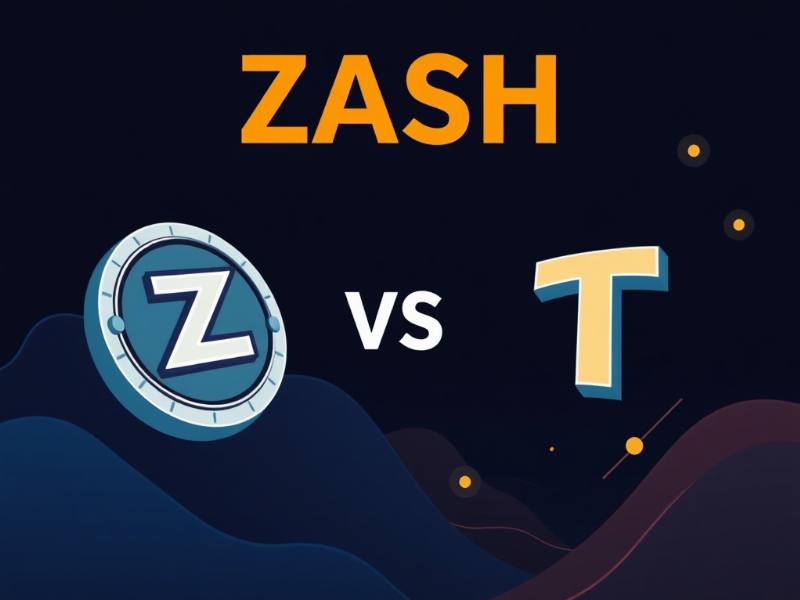
Discover the critical distinctions between Zcash z-addr and t-addr addresses to optimize privacy and security on YoMix. Essential guide for users navigating Zcash transactions.
Sep 14, 2026 · 7 min
Compare the best privacy coin liquidity options for YoMix users. Discover top coins with high liquidity and security. Optimize your transactions now!
Sep 15, 2026 · 8 min
Discover the privacy battle between Samourai and Blockstream Green. Compare security features, anonymity levels, and transaction safety for Bitcoin users seeking secure crypto transfers.
Sep 14, 2026 · 11 min
Compare JoinMarket yield vs Wasabi fee for YoMix users. Optimize BTC mixing costs, maximize profits, and choose the best strategy with our detailed breakdown.
Sep 15, 2026 · 9 minIt will take only a few minutes to upgrade your privacy