How to keep a dedicated cold wallet offline: Protecting Your Assets in the YoMix Era
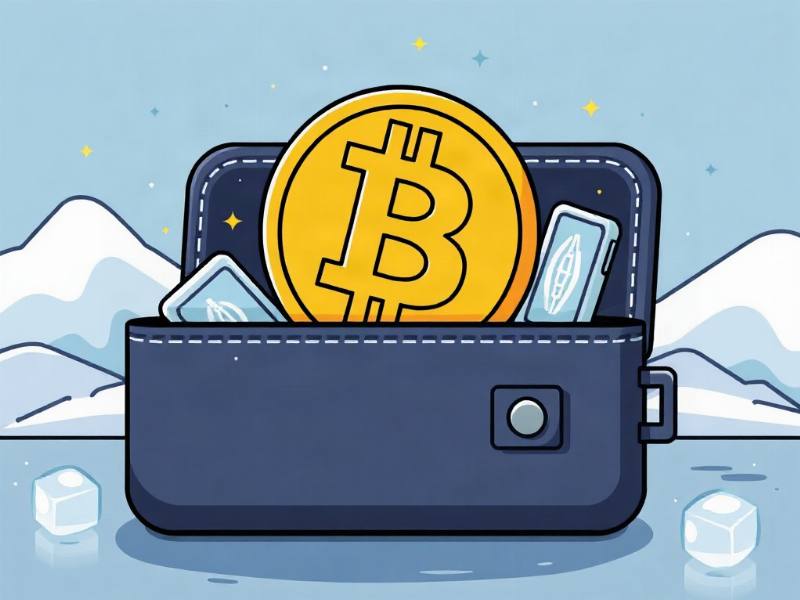
In the evolving landscape of cryptocurrency management, few practices are as foundational yet frequently misunderstood as the proper execution of an offline storage strategy. For participants in the YoMix ecosystem, where privacy, transaction integrity, and asset protection intersect, understanding how to keep a dedicated cold wallet offline is not merely a technical step—it is a operational necessity. This article provides a comprehensive, step-by-step exploration of why going offline matters, how to set up a truly isolated cold storage environment, and how to maintain that security posture over time without introducing avoidable risks.
Understanding the Cold Wallet Fundamentals
A cold wallet, by definition, is any private key storage mechanism that has never been connected to an internet-enabled device, or has been deliberately air-gapped from such networks. The primary advantage of this architecture is the elimination of remote attack vectors. Hackers, malware, and phishing campaigns thrive on connectivity; by design, a cold wallet removes the "online" surface area that adversaries exploit. In the YoMix context, where users often juggle multiple addresses and transaction histories, a dedicated offline wallet serves as the anchor of trust. It ensures that the majority of your holdings remain insulated from the volatility and threat landscape of hot wallets, exchanges, and decentralized applications.
Cold wallets take several forms: paper wallets, hardware devices, and specialized offline computers (often called "air-gapped" machines). Each has its own trade-offs regarding usability, recovery complexity, and physical security. However, the core principle remains invariant: the private key never resides on a device that touches the internet. This section explores the conceptual underpinnings that make offline storage the gold standard for long-term asset preservation.
Key Characteristics of a Secure Cold Wallet
Air-gapped operation: The device or medium containing the private key has never been connected to a network capable of transmitting data outward.
Signed transaction broadcasting: Transactions are signed offline and then moved to an online device solely for the purpose of broadcasting to the blockchain.
Deterministic key generation: Using a standard such as BIP-39 allows users to generate a master seed offline, ensuring that the same keys can be recovered across different compatible wallets.
Physical custody: The storage medium is kept in a secure location, accessible only to the owner, with protection against theft, fire, and environmental damage.
Why Going Offline Matters for Security and Privacy
The decision to keep a dedicated cold wallet offline is driven by a threat model that prioritizes asset confidentiality and integrity over convenience. In practice, this means accepting a modest reduction in transaction speed in exchange for a dramatic reduction in exposure to cybercrime. The YoMix community, in particular, often deals with mixed or privacy-enhanced transactions, making the separation of signing keys from online environments even more critical.
When a private key exists on an internet-connected device, even one with robust antivirus software, the risk profile changes. Zero-day exploits, keyloggers, and man-in-the-middle attacks can compromise a system without the user's knowledge. By contrast, a truly offline wallet requires physical access and intentional user action to sign a transaction. This "human-in-the-loop" requirement acts as a powerful safeguard against automated theft attempts.
Moreover, privacy is enhanced when the signing process is decoupled from the broadcasting process. Online wallets often leak metadata—such as IP addresses, timing patterns, and address reuse—that can be analyzed by sophisticated adversaries. An offline workflow, where a transaction is crafted, signed, and then manually or mechanically broadcast, breaks many of these correlation chains. The result is a stronger privacy posture that aligns with the values of users who prioritize discretion in their cryptocurrency activities.
Threat Scenarios Mitigated by Offline Storage
Remote key extraction: Malware that monitors clipboard activity, screen content, or network traffic cannot reach a key stored on an air-gapped device.
Exchange breaches: Even if a major platform is compromised, funds held in an offline cold wallet remain unaffected, as the private key was never entrusted to the exchange's infrastructure.
Social engineering: Phishing campaigns that trick users into revealing seed phrases or private keys are ineffective when the key never existed on a connected device.
Ransomware and extortion: Systems infected with ransomware may encrypt or exfiltrate data, but they cannot access a private key that resides on a physically isolated medium.
Step-by-Step: Setting Up a Truly Offline Cold Wallet
Executing a proper offline cold storage setup requires patience, attention to detail, and a methodical approach. The following guide outlines the essential steps to keep a dedicated cold wallet offline while preserving the ability to manage your YoMix transactions efficiently.
1. Generate the Seed Offline
The first and most critical step is to generate your wallet's master seed entirely offline. This can be accomplished using a dedicated laptop that has never been connected to the internet, or by using a hardware wallet's initialization process in an offline environment. Ensure that the device is free of malware by scanning any external media on a separate, trusted system before use. When generating the seed, use a reputable, open-source wallet software that supports BIP-39 standard mnemonic phrases. Write the seed phrase down on archival-quality paper or engrave it on a metal backup device, taking care to avoid digital copies, screenshots, or cloud storage.
2. Isolate the Signing Environment
After the seed is recorded, the next phase is to configure an environment where transaction signing can occur without any network connectivity. This "signing machine" should be a separate device from the one you use for day-to-day browsing or exchange interactions. Disable all wireless capabilities—Wi-Fi, Bluetooth, NFC—and physically remove any Ethernet cables. The signing machine should only interact with removable media (such as USB drives) that have been vetted and scanned on an online system prior to use.
3. Prepare the Transaction Offline
With the signing environment ready, you can now construct the transaction details—recipient address, amount, and any memo or metadata—using your preferred wallet interface on an online device. Once the transaction data is ready, transfer it to the offline signing machine via a trusted USB drive. On the offline device, use the wallet software to sign the transaction with your private key. The result is a partially signed or fully signed transaction blob that contains your cryptographic authorization but no sensitive data exposed to the network.
4. Broadcast the Signed Transaction
The final step involves moving the signed transaction from the offline environment to an online device for blockchain broadcast. This can be done by transferring the signed transaction file to the online device via USB, or by using a QR code-based handshake if both devices are equipped with cameras and appropriate software. Once the signed transaction is on the online device, use a standard blockchain explorer or wallet interface to broadcast it to the network. After successful broadcasting, verify the transaction status and then securely erase or destroy the temporary files from the online device.
Maintaining Operational Security Over the Long Term
Setting up an offline cold wallet is not a one-time event; it is the beginning of an ongoing operational security commitment. To truly keep a dedicated cold wallet offline over months and years, users must adopt habits and infrastructure that prevent gradual degradation of the air-gap isolation.
Regular Integrity Checks
Periodically verify that your storage medium remains intact and legible. Paper wallets can degrade over time due to humidity, light exposure, or physical damage. Metal backups should be checked for corrosion or legibility issues. Schedule these checks every six to twelve months, and always perform them on a separate, secure system that does not compromise the offline status of the primary keys.
Key Rotation and Upgrade Strategies
As wallet software evolves and cryptographic standards improve, consider periodic key rotation. This involves generating a new offline wallet, transferring funds from the old cold storage to the new one, and securely retiring the previous setup. Key rotation should be planned during periods of low market volatility and executed with meticulous attention to the transfer process. Always ensure the new wallet is fully operational and verified before moving significant balances.
Discover Monero remote node vs local node differences. Learn how each impacts privacy, performance, and security in YoMix. Make informed choices for your needs.
Compare Onion Mixer vs Clearnet Mixer for YoMix users. Learn which offers superior anonymity, security, and ease of use. Make an informed decision today!
Sep 18, 2026 · 9 min
Ready to mix your coins?
It will take only a few minutes to upgrade your privacy