Avoid Posting Your Address Publicly: Protecting Your Identity in the YoMix Era
In today’s interconnected digital landscape, the imperative to avoid posting your address publicly has transcended simple privacy advice and become a foundational element of personal and operational security. Whether you are engaging in cryptocurrency discussions, participating in niche online communities, or simply navigating the broader web, the exposure of your physical location can lead to unwanted surveillance, targeted harassment, or even real-world harm. The YoMix community, like many specialized forums and platforms, places a premium on discretion, making the practice to avoid posting your address publicly not just recommended but essential for maintaining a secure digital footprint. This article explores the multifaceted risks associated with address exposure, the specific considerations within the YoMix ecosystem, and practical, proven strategies to safeguard your identity without compromising your online engagement.
The consequences of neglecting to avoid posting your address publicly can be subtle at first but escalate rapidly. A seemingly innocuous check-in, a shared photo with geotags enabled, or a careless comment revealing your hometown can create a digital trail that skilled actors can piece together. This digital footprint often extends beyond the immediate platform, intersecting with social media profiles, public records, and even data broker databases. For users of YoMix and similar privacy-conscious spaces, the stakes are amplified: the very nature of these communities often attracts attention from entities seeking to de-anonymize participants. Understanding the anatomy of these risks is the first step toward effective mitigation.
Understanding the Stakes Why Public Address Exposure Matters
Digital Footprint and Tracking
Every piece of location-related data you publish contributes to a comprehensive digital profile. When you avoid posting your address publicly, you disrupt the chain of data points that advertisers, researchers, or malicious actors use to triangulate your real-world whereabouts. Modern tracking techniques can combine IP address analysis, browser fingerprinting, and publicly shared location data to build a surprisingly accurate picture of your daily routines, favorite locations, and habitual patterns. The cumulative effect of small disclosures can be disproportionate, especially when combined with data breaches from unrelated sources.
Social Engineering Risks
Publicly available address information becomes a goldmine for social engineers. Once an adversary knows where you live, they can craft highly convincing phishing attempts, impersonate local service providers, or even execute in-person harassment campaigns. In the context of YoMix, where discussions may touch on sensitive financial or technical topics, the risk of targeted social engineering increases significantly. Attackers can leverage your location to feign familiarity, claim proximity, or tailor threats that feel immediate and credible, thereby increasing the likelihood of successful manipulation.
Physical Safety and Harassment
The most immediate and severe risk of failing to avoid posting your address publicly is the potential for physical harm. Doxxing incidents, swatting calls, and unwanted visits are not hypothetical scenarios; they are documented realities for individuals whose location data is exposed online. Even if your intentions are benign, the internet’s permanent record means that a single moment of carelessness can have lasting repercussions for your safety, the safety of your family, and your professional reputation. Proactive privacy measures are therefore not optional but a necessary line of defense.
The YoMix Context Privacy Expectations and Community Norms
Community Guidelines and Operational Security
The YoMix platform has cultivated a culture that values discretion, yet guidelines alone cannot replace individual vigilance. Community rules often outline prohibited content, but the onus is on each member to operationalize those principles in their daily interactions. This includes being mindful of the information embedded in shared files, the metadata of uploaded images, and the language used in posts. Embracing a mindset that prioritizes the avoidance of public address disclosure aligns perfectly with the ethos of YoMix, reinforcing the collective security posture of the community.
Transactional Discretion
Within the YoMix ecosystem, transactions and discussions often involve topics that require a high degree of anonymity. Whether you are discussing cryptocurrency mixing techniques, exploring privacy-focused technologies, or engaging in technical troubleshooting, the less personal information you expose, the more robust your operational security becomes. The practice to avoid posting your address publicly complements other OPSEC measures such as using VPNs, encrypted communication channels, and pseudonymous usernames, creating a layered defense against deanonymization attempts.
Trust and Reputation Management
Paradoxically, demonstrating a commitment to privacy can enhance your reputation within the YoMix community. Members who consistently practice discretion are often viewed as more reliable and security-conscious peers, fostering a trust-based environment where sensitive topics can be explored without fear of external exploitation. By leading with privacy best practices, you not only protect yourself but also contribute to a safer ecosystem for all participants.
Legal and Ethical Dimensions of Address Privacy
Jurisdictional Variations
Privacy laws regarding personal address disclosure vary significantly across regions. Some jurisdictions have robust data protection frameworks that limit how platforms can collect and share location data, while others have more permissive regulations. Understanding the legal landscape applicable to your situation is crucial, especially when engaging with global communities like YoMix. However, legal protections should not lull you into a false sense of security; the decentralized nature of the internet means that your data can traverse borders before any legal recourse becomes available.
Terms of Service Compliance
Most online platforms, including those within the YoMix niche, have Terms of Service agreements that prohibit the sharing of personal identifiable information, including home addresses. Violating these terms can result in account suspension, content removal, or even permanent banning. More importantly, such violations undermine the trust framework that makes communities like YoMix viable. Adhering to platform policies while simultaneously taking personal steps to avoid posting your address publicly creates a dual layer of compliance and safety.
Ethical Responsibility
Beyond legal obligations, there is an ethical dimension to consider. Sharing someone else’s address, or even your own, without explicit consent contributes to a culture of surveillance and erodes the expectation of privacy that underpins healthy digital discourse. In the YoMix community, where the exchange of sensitive ideas is commonplace, respecting privacy boundaries is both a personal virtue and a communal responsibility. Ethical
Learn how to route Electrum through Tor for enhanced privacy and security. Step-by-step guide to anonymize transactions and protect your digital assets effectively.
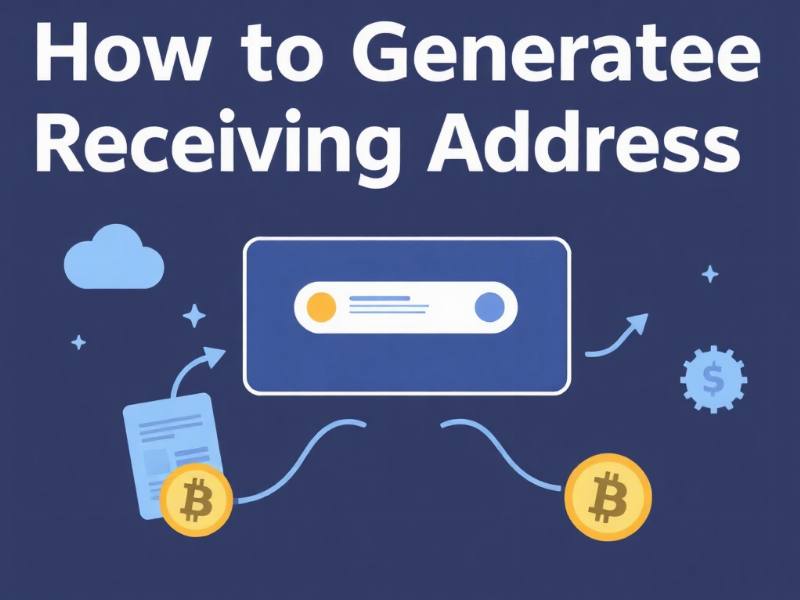
Learn how to generate a fresh receiving address for Bitcoin. This guide covers steps, best practices, and security tips to ensure your transactions are safe and efficient.
Learn how to use Tor with your bitcoin wallet to enhance privacy and security. Step-by-step guide for safe transactions and anonymity. Maximize protection today!
Learn how to label UTXOs for privacy using BTC mixers. This guide covers steps to enhance anonymity, protect your transactions, and ensure secure crypto handling.
Learn how to move funds through a privacy coin safely and efficiently. Discover expert tips for secure transactions and maximum financial privacy today.